
Product Design
Network Booster
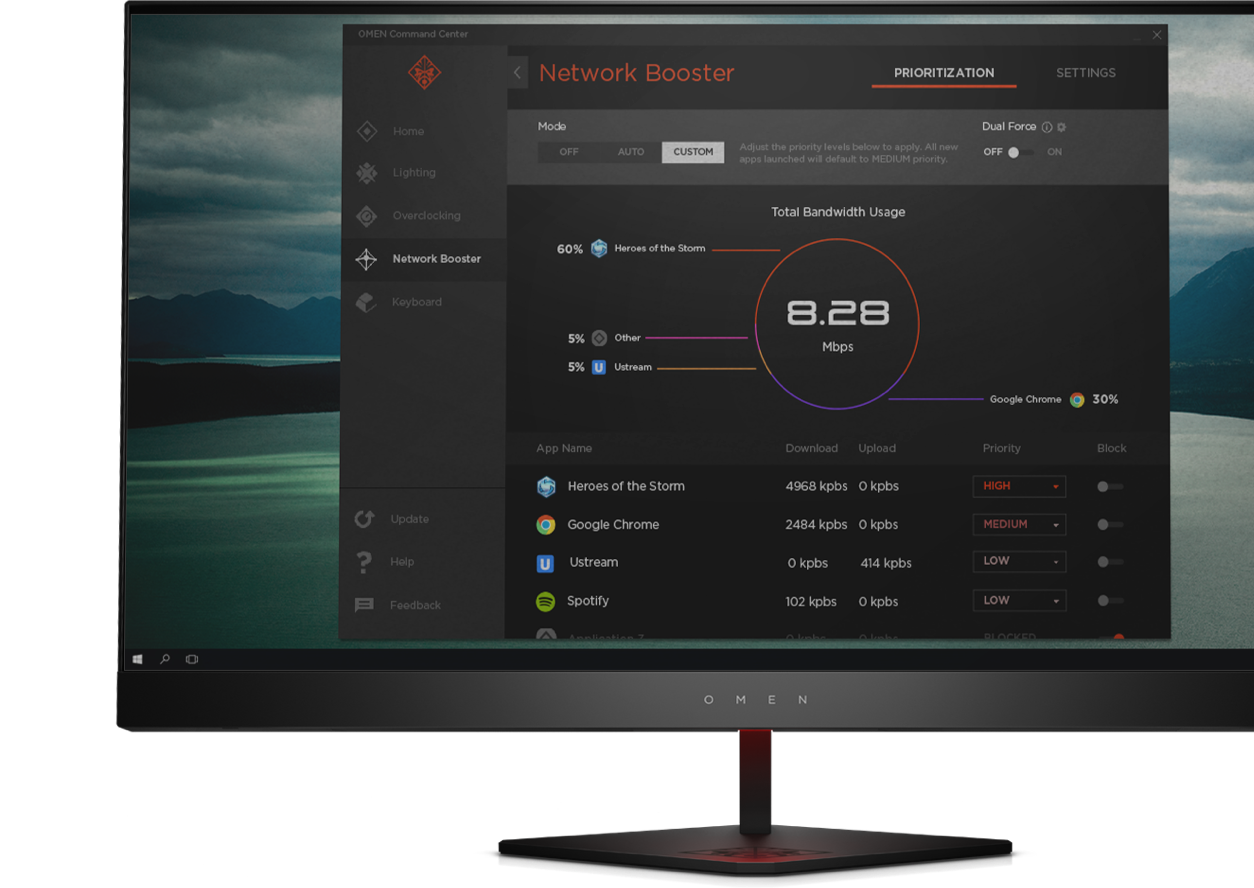
Manage and control the bandwidth of your apps so you can have the best gaming performance ever, lag-free.
About
OMEN Command Center is a utility app pre-installed on all OMEN gaming PC’s. Its core purpose is to provide controls to enhance and personalize your gaming experience. One of those features is to optimize your bandwidth by prioritizing all app usage’s that are running on the system.
Role
UX & Interaction Design: Network Booster Tool
Visual Design: Onboarding Illustrations
Team
Vasavi Reddy, Lead UX Designer
Derek Wong, Visual Design
Danielle Dijamco, Lead UX Researcher
Background
Don’t you love it when you’re on a killing streak and you’re racking up headshots and doublekills? Then all of the sudden your own WiFi just throttles the network and your whole game freezes. You yell upward to the Gods, as if it’s their fault you decided it was a good idea to download the entire third season of Game of Thrones while you game.
Design Opportunity
Network Booster is a tool to help you delegate your bandwidth across all the apps you have running. You can prioritize your game in front of other background and system tasks you don’t need. Like your work email when you want to block syncing new messages, but still need that calendar alert because you wanted to level up before your next conference call.
Competitive and Feature Analysis
Positioning the Product
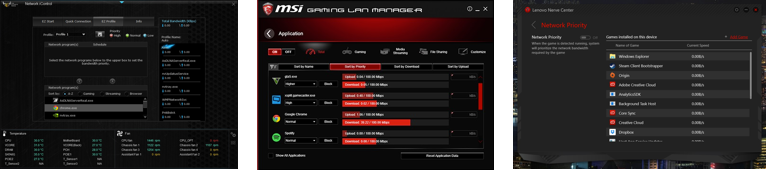
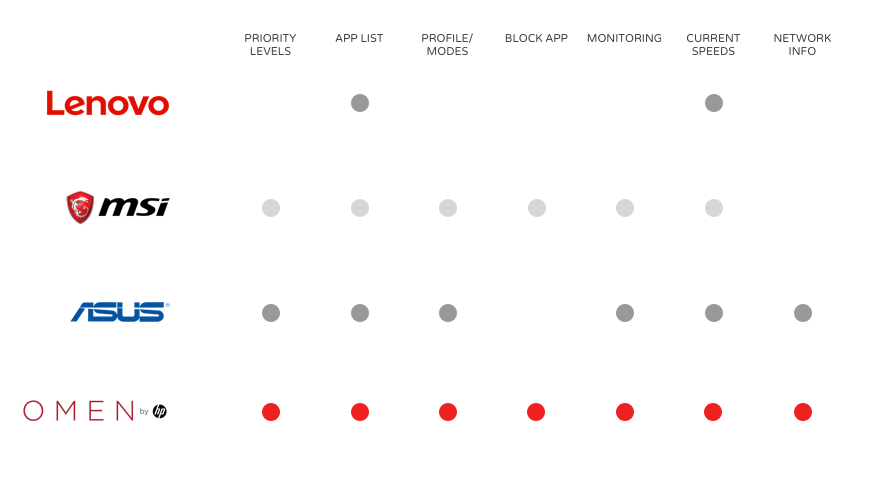
We positioned the Network Booster feature to resolve similar pain points as our competitors, with one significant difference. We would also provide more information about their network and additional control to allow users to connect to both wireless and LAN networks simultaneously, called Dual Force. This would provide extra speed, total control and transparency of the tool.
Design Hypothesis
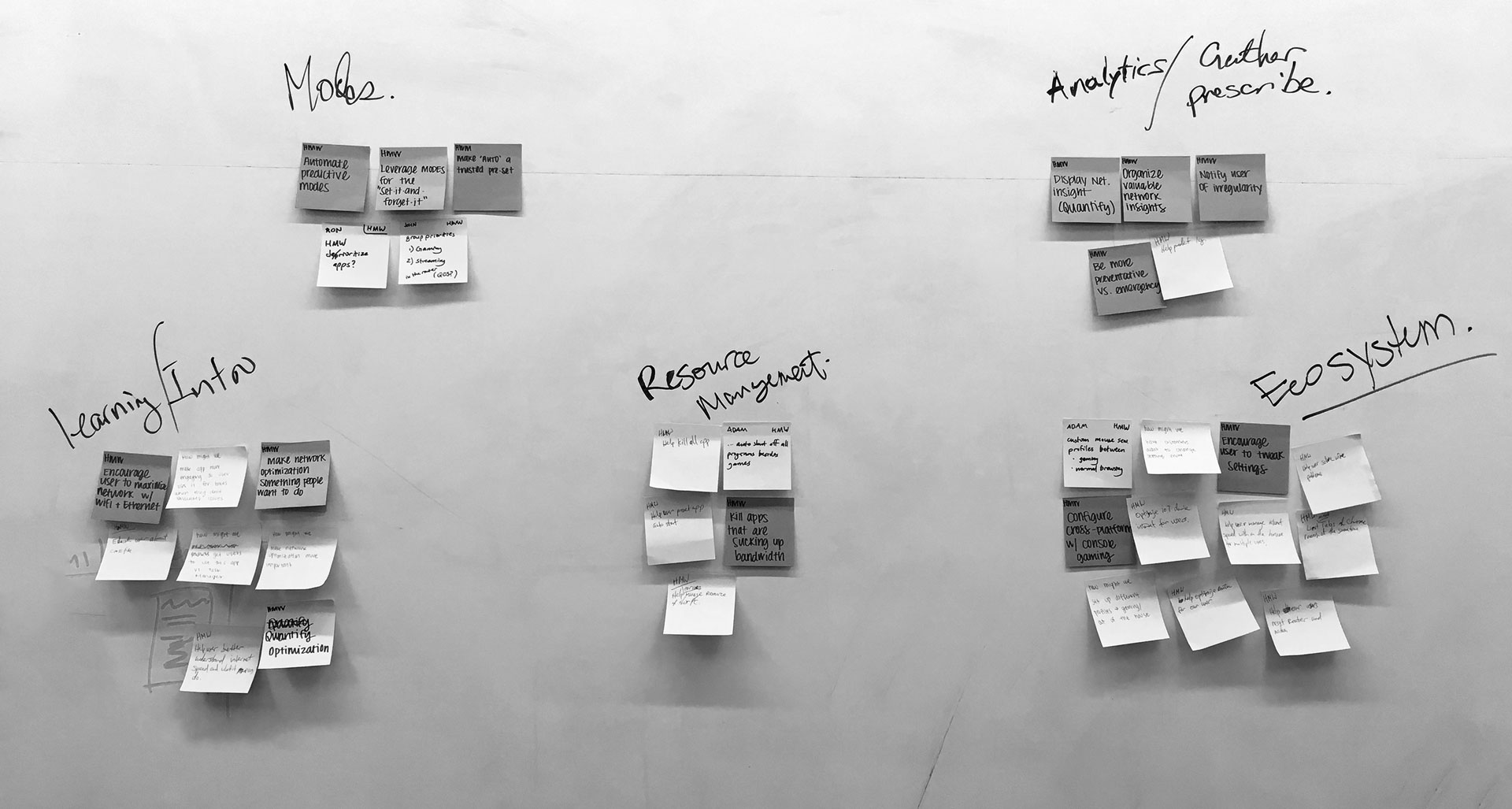
Through a series of user interviews and card sorting exercises, we were able to evaluate and formulate a hypothesis for use case scenarios. We drafted user stories and sketched out different wireframes to illustrate the user journey based on the task analysis. Our assumption was that if we provide users a similar taskflow to what they’re familiar with, they could pick up on the design and experience patterns.
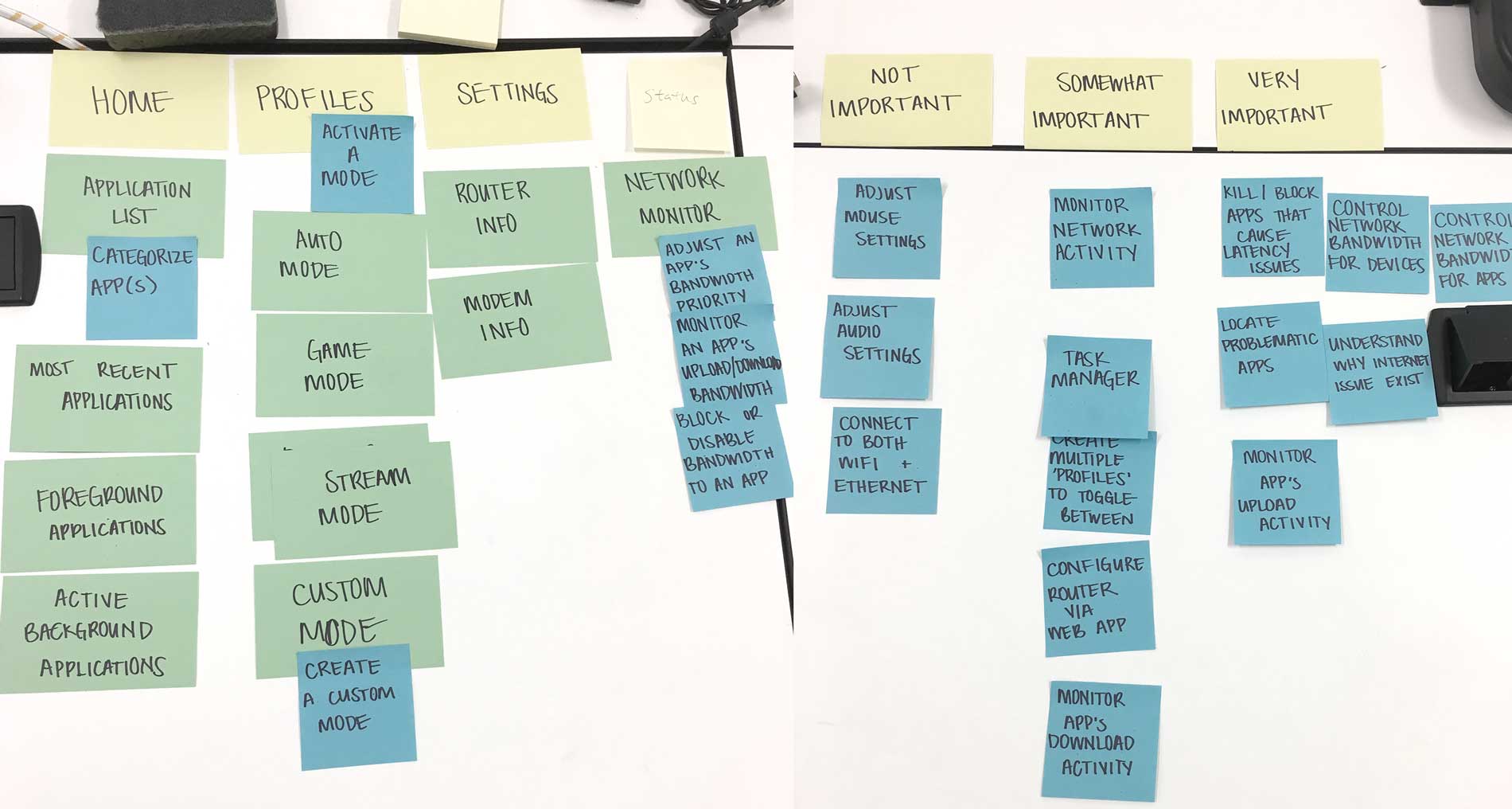
Process: Ideation and Sketches

Process: High-fidelity Wireframes
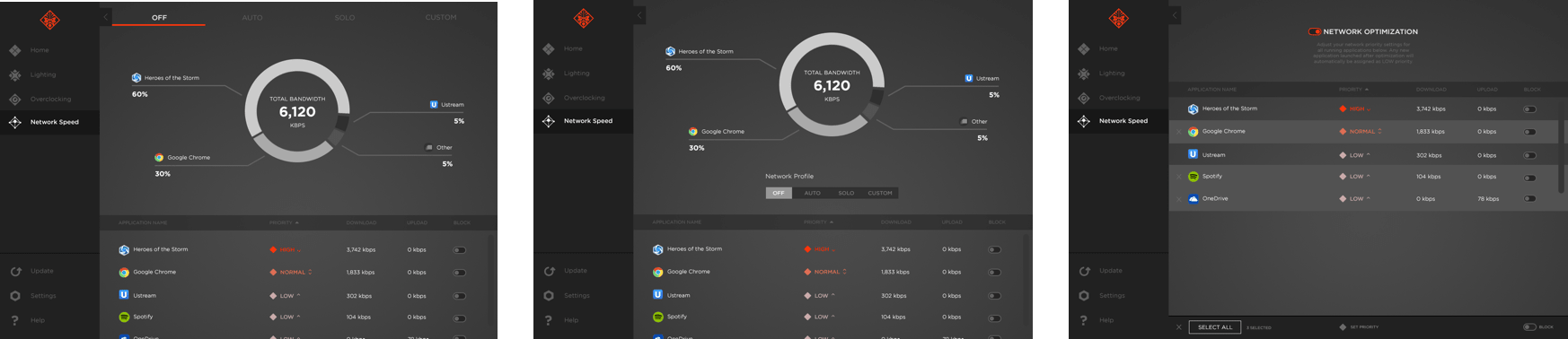
Early Concept Testing
A challenge we faced was that the product was dependent on hardware feedback to fully grasp the concept design. As part of our process, we created quick prototypes of our high-fidelity wireframes and ran a small study with participants in the office. We targeted gamers and asked them to complete a few set of tasks based on scenarios. Our goal was to gain an understanding of the product, even though there was no hardware to help mimic the full environment in detail. From there, we iterated on the design before landing on our final design.
Early Concept Testing
As part of our process, we created quick prototypes of our high-fidelity wireframes and ran a small study with participants in the office. We targeted gamers and asked them to complete a few set of tasks that would help indicate which design or combination of design would be most intuitive. From there, we iterated on the design before landing on our final design.
Process: Visual Design
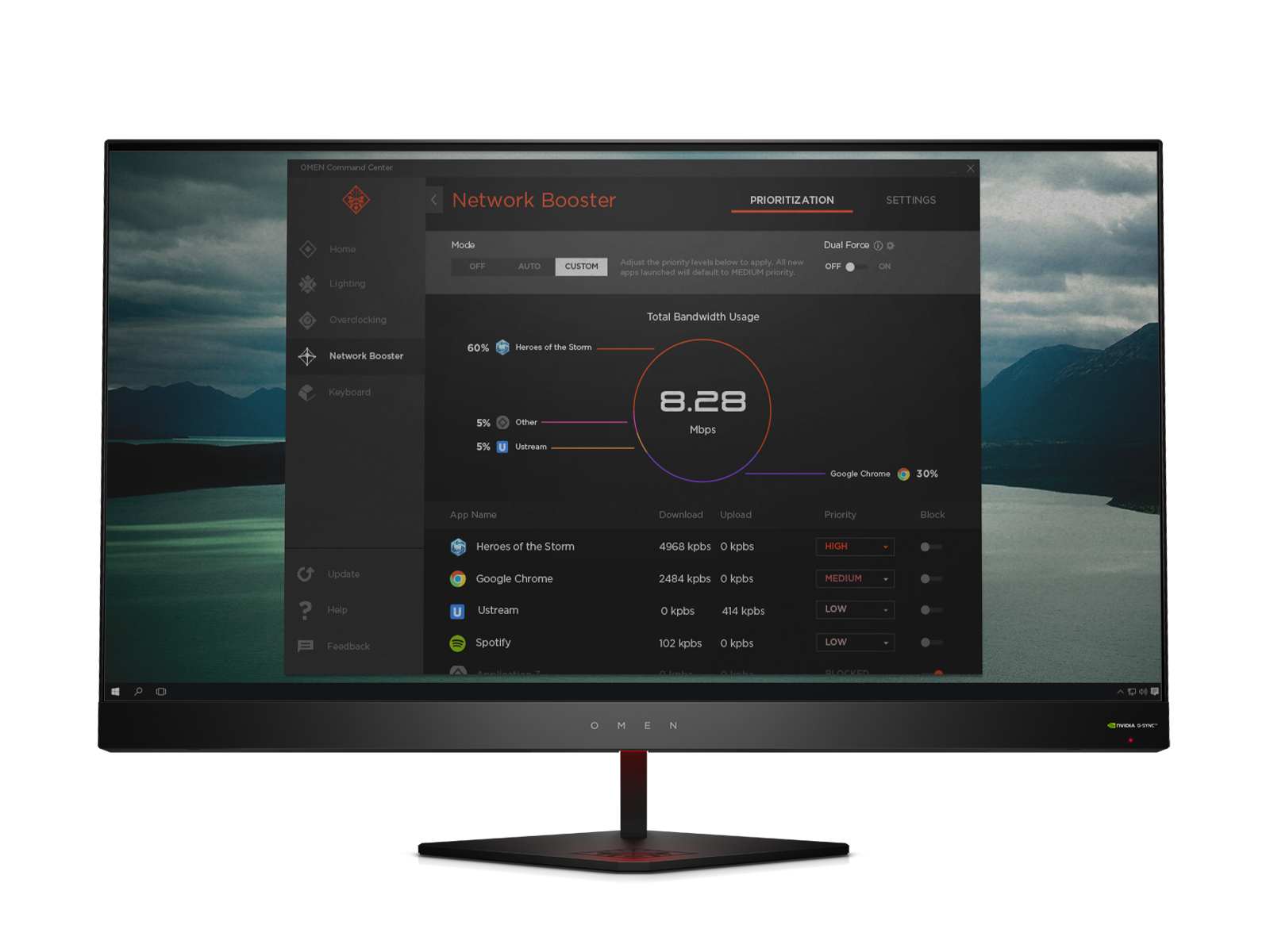
Module visual design by Derek Wong, supported by Sally Peang
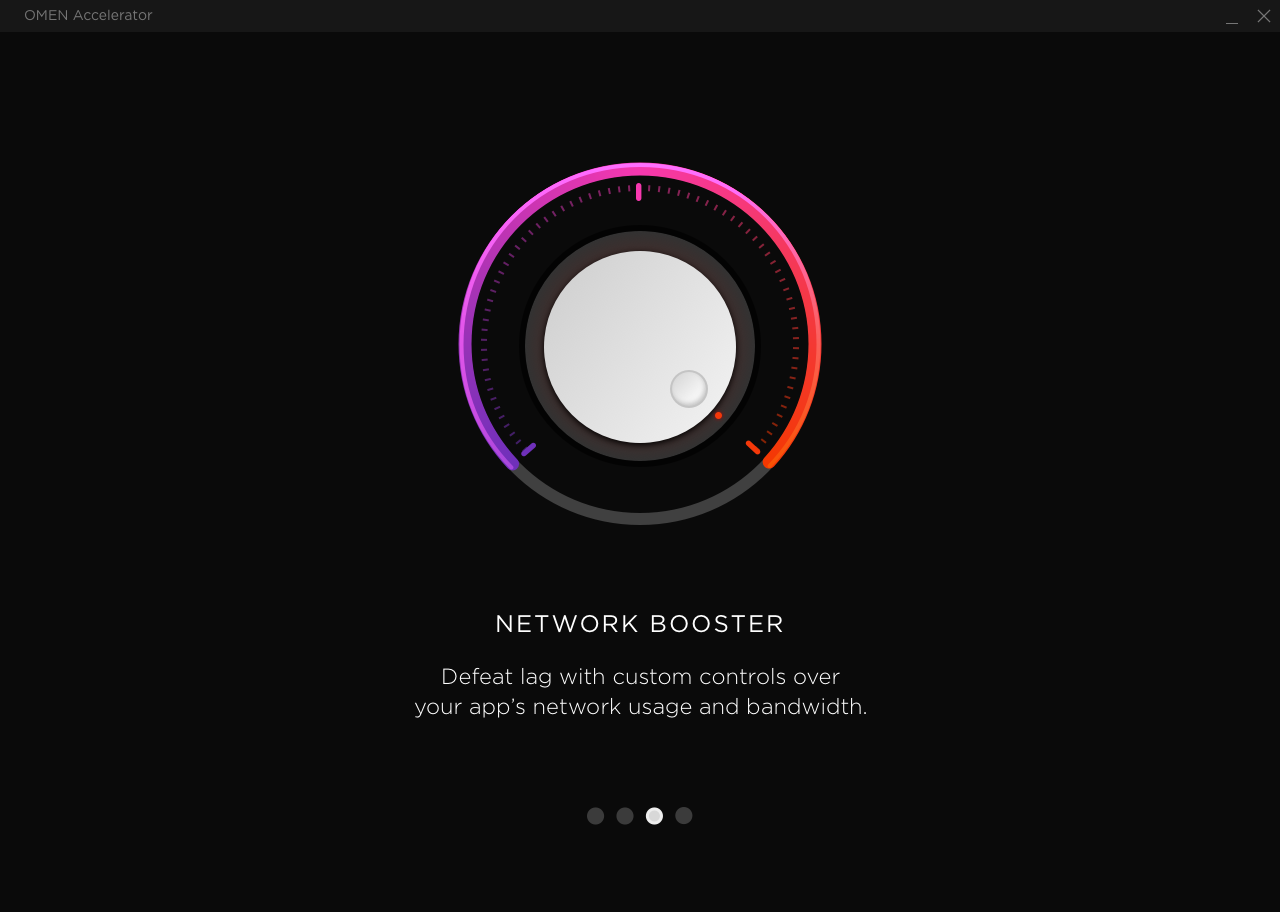
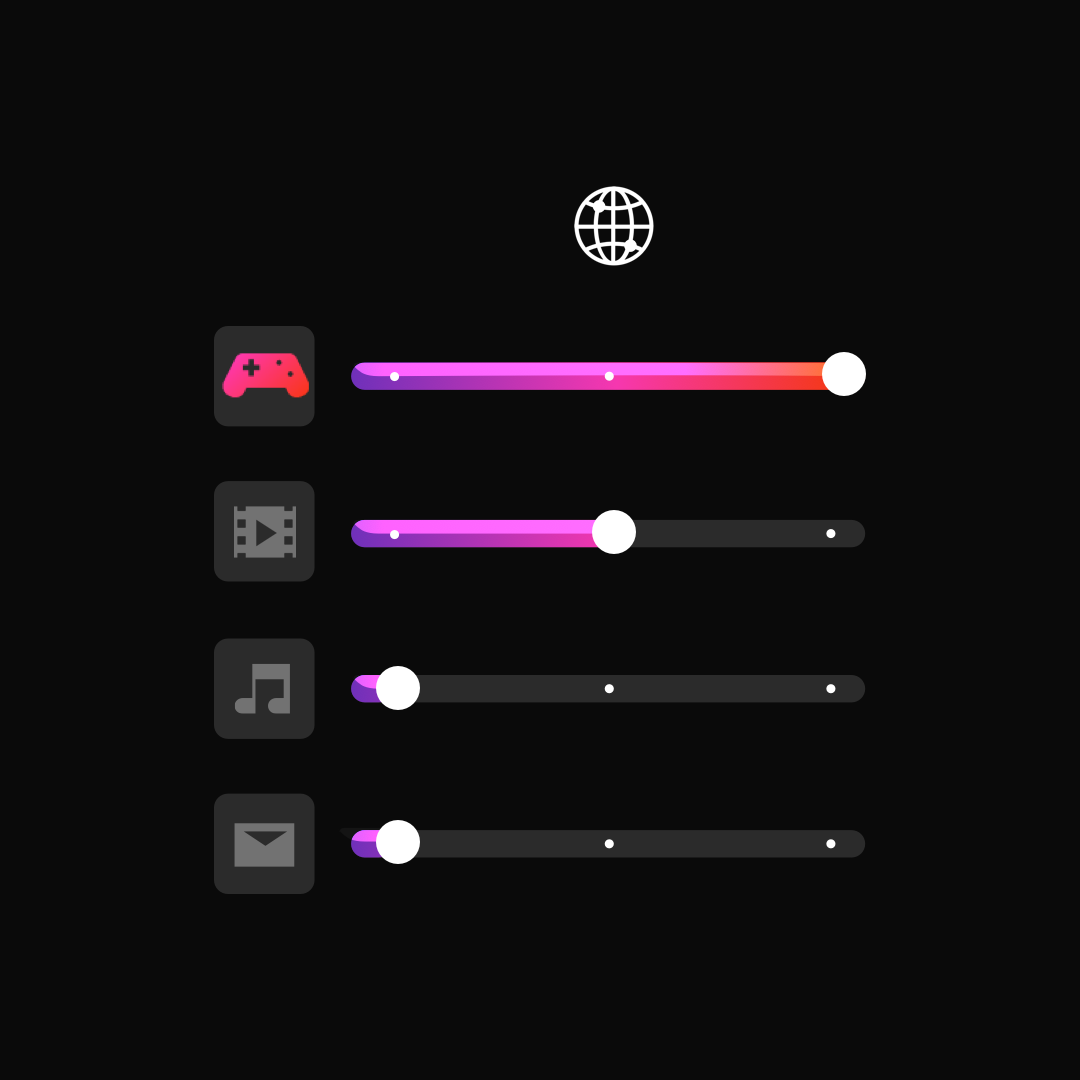
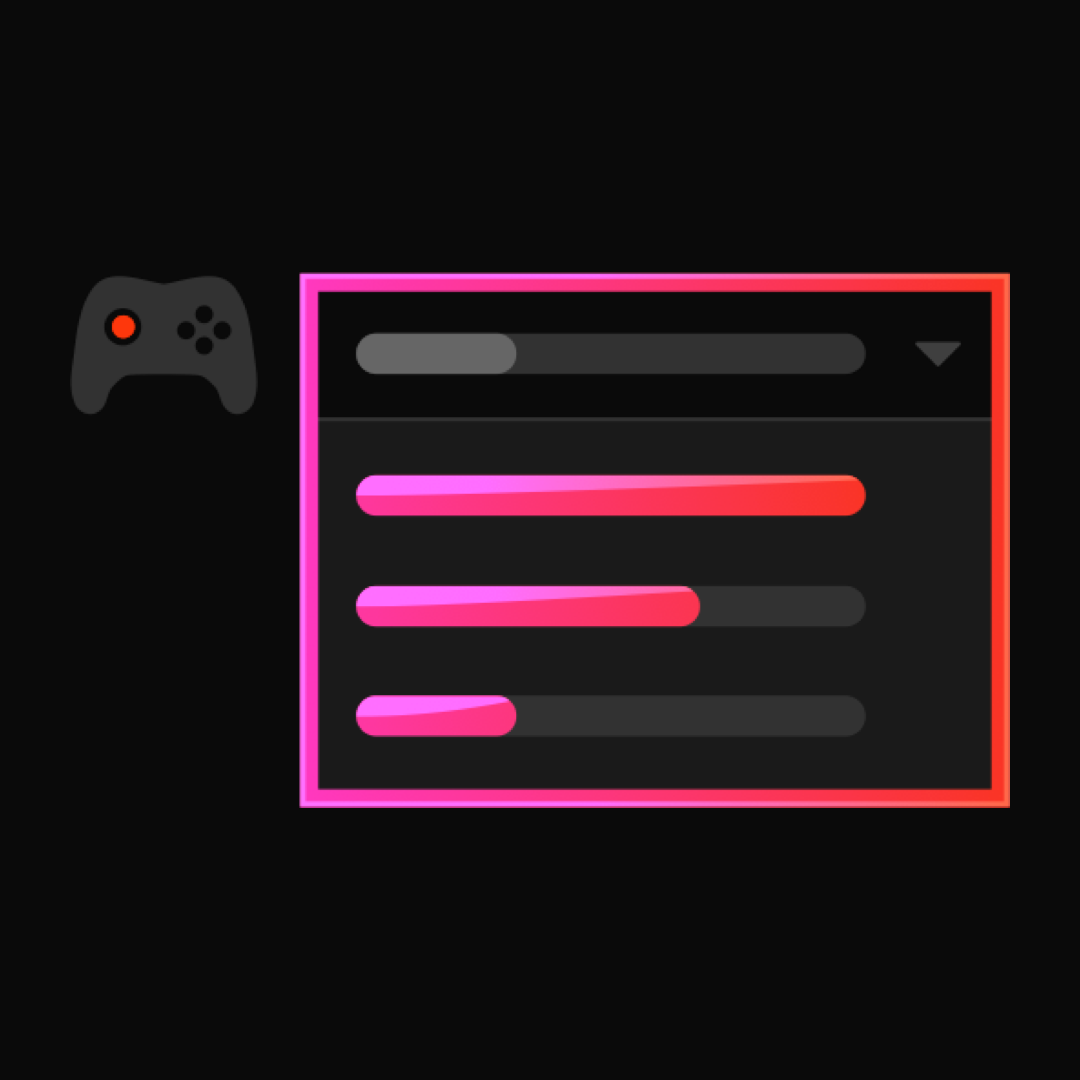
Onboarding illustration and variations by Sally Peang
Outcome and Success Metrics
Since its launch in April 2017, the Network Booster feature has gained an overwhelming 91% monthly revisit rate. Our Google Analytics also indicate that roughly 1 out of 3 users customize their network settings. Meaning that our product not only serves a high need for users to monitor their network usage, but that it is valuable to have total control over their experience. These metrics will help benchmark future goals and features that will be added to the product.